When launching a business, entrepreneurs face a long list of competing financial priorities. Forming an…
Beyond “Do Not Resuscitate”: Understanding Emergency Decision Documents in Oklahoma
A Guide from Your Broken Arrow Estate Planning Attorney
When many people think about medical decision-making, they picture a single form: a “Do Not Resuscitate” (DNR) order. In reality, that is only one small piece of a much larger picture. For Oklahoma families, real protection comes from a set of coordinated documents that explain who should speak for you in a crisis and what types of care are consistent with your values.
At Littleton Legal, we call these Emergency Decision Documents. They work together to protect both your dignity and your family’s peace of mind.
The Core Documents: More Than Just a DNR
A DNR only tells doctors whether to attempt resuscitation if your heart stops. It does not answer broader questions about surgeries, feeding tubes, pain management, or who has the authority to speak with your medical team.
A more complete plan typically includes:
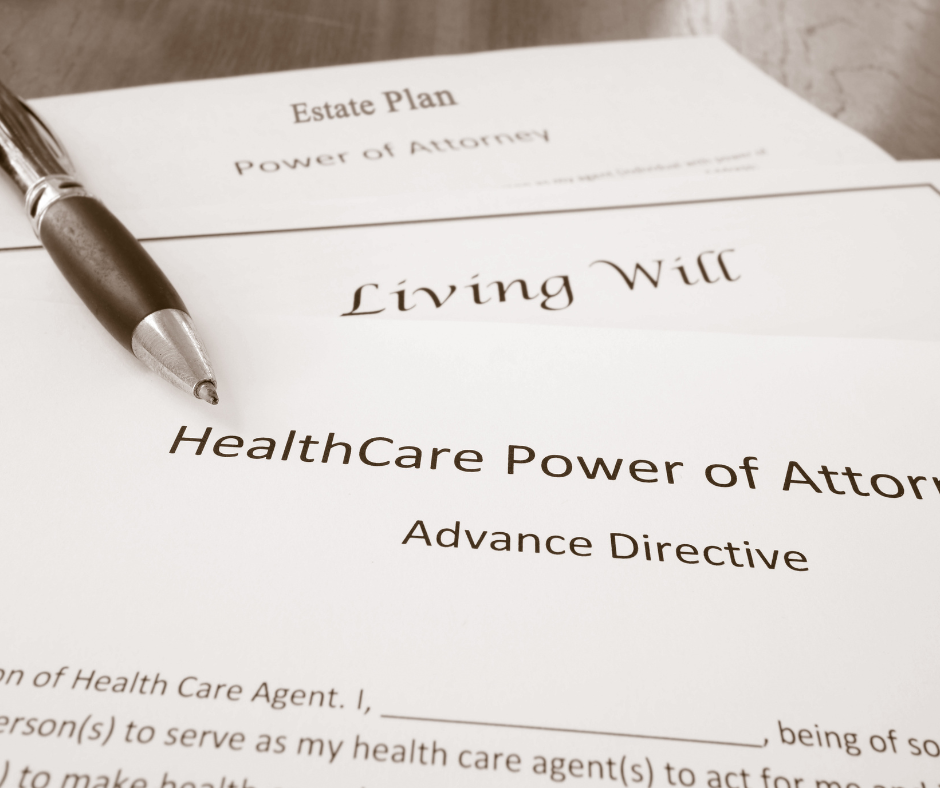
- Health Care Power of Attorney: This document appoints someone you trust to make health care decisions if you cannot speak for yourself. Your health care agent can talk with your doctors, weigh options, and advocate for the types of treatment you would want.
- HIPAA Authorization: Federal privacy laws limit who can see your medical information. A HIPAA Authorization gives your chosen people access to records and updates so they can make informed decisions and support you appropriately.
- Advance Health Care Directive (Living Will): This document communicates your end-of-life wishes, such as whether you want life-sustaining treatment (like ventilators or feeding tubes) if recovery is unlikely, and your preferences regarding organ donation.
Used together, these Emergency Decision Documents go far beyond a DNR. They create a clear roadmap so your loved ones and medical team are not left guessing.
Defining “Quality of Life” in Your Own Words
For some clients, maintaining cognitive function is the top priority. Others focus on being free from pain or able to interact with family, even if health is fragile. Your documents can reflect those priorities.
For example, you might authorize aggressive treatment if there is a realistic chance of meaningful recovery. Alternatively, you might limit invasive procedures if doctors agree that further care would only prolong suffering. Many clients emphasize comfort care and pain management in certain circumstances.
Spelling this out in your Advance Health Care Directive gives your health care agent guidance when a situation does not fit neatly into a checkbox.
Common Concerns Oklahoma Families Raise
“I do not want to burden my family.”
Clear instructions actually reduce the emotional burden. Instead of wondering, “Did we do the right thing?” your loved ones can focus on supporting you and each other, knowing they are following your wishes.
“What if I change my mind?”
As long as you still have capacity, you can revoke or update your Health Care Power of Attorney, HIPAA Authorization, and Advance Health Care Directive at any time. Many families revisit these documents after a new diagnosis, a major surgery, or every five years as part of a routine estate plan review.
“What if my documents do not cover a specific situation?”
This is why choosing the right health care agent is so important. When your agent understands your values, religious or spiritual beliefs, and overall goals for care, they can make decisions in unexpected situations that still honor your intent.
Making Your Emergency Decision Documents Work When It Counts
Filling out the forms is only the first step. To make these documents truly effective, we encourage clients to:
- Talk with your chosen decision makers. Explain your preferences, fears, and priorities so they are not surprised in a crisis.
- Share copies in advance. Provide your Emergency Decision Documents to your health care agent, alternate agents, primary care physician, and key family members.
- Keep them accessible. Do not lock them in a safe deposit box. Make sure someone knows where the originals are stored and how to access them quickly.
For many Tulsa and Broken Arrow families, these conversations become an opportunity to talk more openly about aging, illness, and family support—topics that are easy to avoid until an emergency forces rushed decisions.
Next Steps
If you have questions about DNR orders, Emergency Decision Documents, or how these tools fit within a broader Oklahoma estate plan, we are here to help. At Littleton Legal, we create coordinated plans that include your Health Care Power of Attorney, HIPAA Authorization, Advance Health Care Directive, and other key estate planning documents so your wishes are honored even when you cannot speak for yourself.
To discuss your options, we invite you to schedule a consultation online or by calling our office at (918) 608-1836.
We would be honored to help you create a clear, compassionate plan that protects both your voice and your loved ones during life’s most difficult moments.

Related Posts