
Written by the estate planning team at Littleton Legal, a Tulsa-area firm based in Broken…
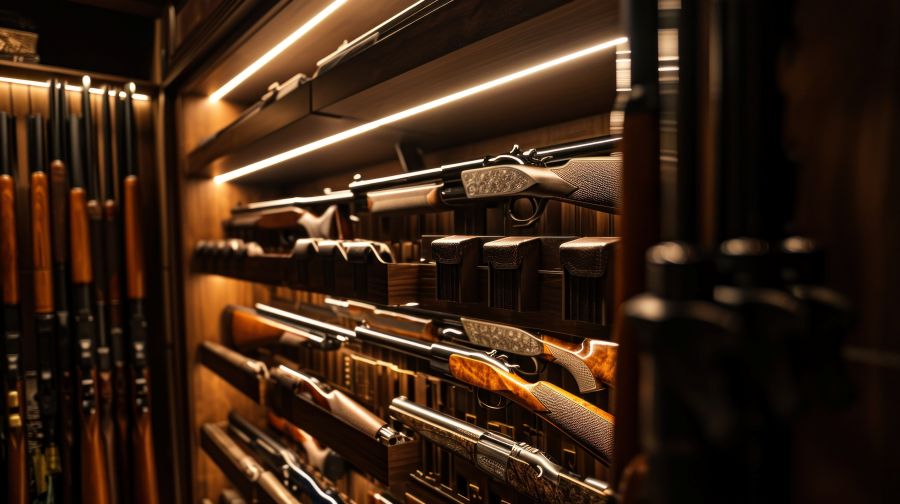
Your Gun Collection Needs an Estate Plan, Too
Written by the estate planning team at Littleton Legal, a Tulsa-area firm based in Broken Arrow.
There is a gun safe in a garage in Broken Arrow right now that nobody has a plan for. The man who owns it knows exactly who gets what. The hunting rifles go to his son. The engraved shotgun that belonged to his father goes to his daughter, who has never fired it and never will, but who understands what it means. A pistol or two go to the friend he has hunted with for thirty years.
He has told all three of them. He considers that settled.
However, telling your family is not the same as planning.
Firearms are personal property, and like a truck or a coin collection, they can pass through a Last Will and Testament (“Will”), a revocable living trust, or Oklahoma’s intestacy laws if there is neither. What makes them different is what happens between the death and the handoff.
A Will that leaves “all my personal property to my children in equal shares” says nothing about which child gets the engraved shotgun, and it leaves the person you name to administer your estate deciding whether to divide the collection, sell it, or referee. That is a lot to ask of a grieving son.
The beneficiary who cannot take the gun
Now change one detail. Suppose one of those three children, years from now, becomes legally prohibited from possessing a firearm. Federal law bars certain people from owning guns, and it does not care that the gun came from a parent or that the Will says it should. Your Personal Representative or Trustee cannot simply hand it over, and a plan with no alternate recipient and no authority to sell leaves them stuck between your instructions and the law.
This is the situation most families never consider, because the person we picture inheriting the rifle is the person we know today. A good plan accounts for the person they might become.
The items in the safe that need their own conversation
Suppressors and certain short-barreled firearms fall under the National Firearms Act (“NFA”) and carry additional federal transfer requirements. They cannot be treated like a deer rifle in your estate plan, and they should be discussed with your attorney by name. Depending on what you own, specialized trust planning may be the right tool.
What the plan actually looks like
An inventory, with NFA items flagged. A named recipient for each firearm that matters, and an alternate. Written permission for your fiduciary to secure, manage, transfer, or sell the collection, because a safe full of firearms in an empty house during what probate involves is a risk nobody should inherit by default. All of it built into your Will or revocable living trust, not a note taped inside the safe.
The man in Broken Arrow does not need a different plan for his guns than for the rest of his life. He needs the plan he already has to know they exist.
At Littleton Legal, we help Tulsa and Broken Arrow families build estate plans that account for the assets that make each family its own. If firearms are part of yours, we invite you to schedule a consultation online or call our office at (918) 608-1836.
Frequently Asked Questions
Can I leave my guns to my children in my will?
Yes. Firearms can pass through a will or trust like other personal property, though the recipient must be legally allowed to possess them and NFA-regulated items require additional steps.
What if the person I named cannot legally own a firearm?
Your plan should name an alternate recipient or authorize your Personal Representative or Trustee to sell the firearm instead. Without that backup, your fiduciary may be left without a lawful option.
Do I need a gun trust?
Whether a separate gun trust makes sense depends on the details: what you own, who you want to be able to possess it, and how the rest of your plan is built. It is a conversation to have, not a box to check.

Related Posts